

Why Fragmented Supply Chains Are Slowing U.S. Residential Projects
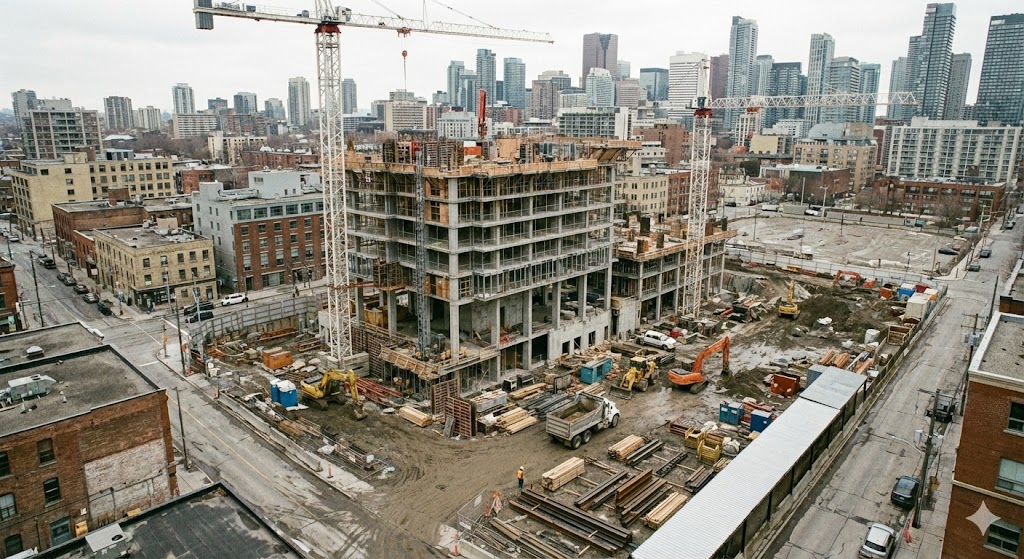

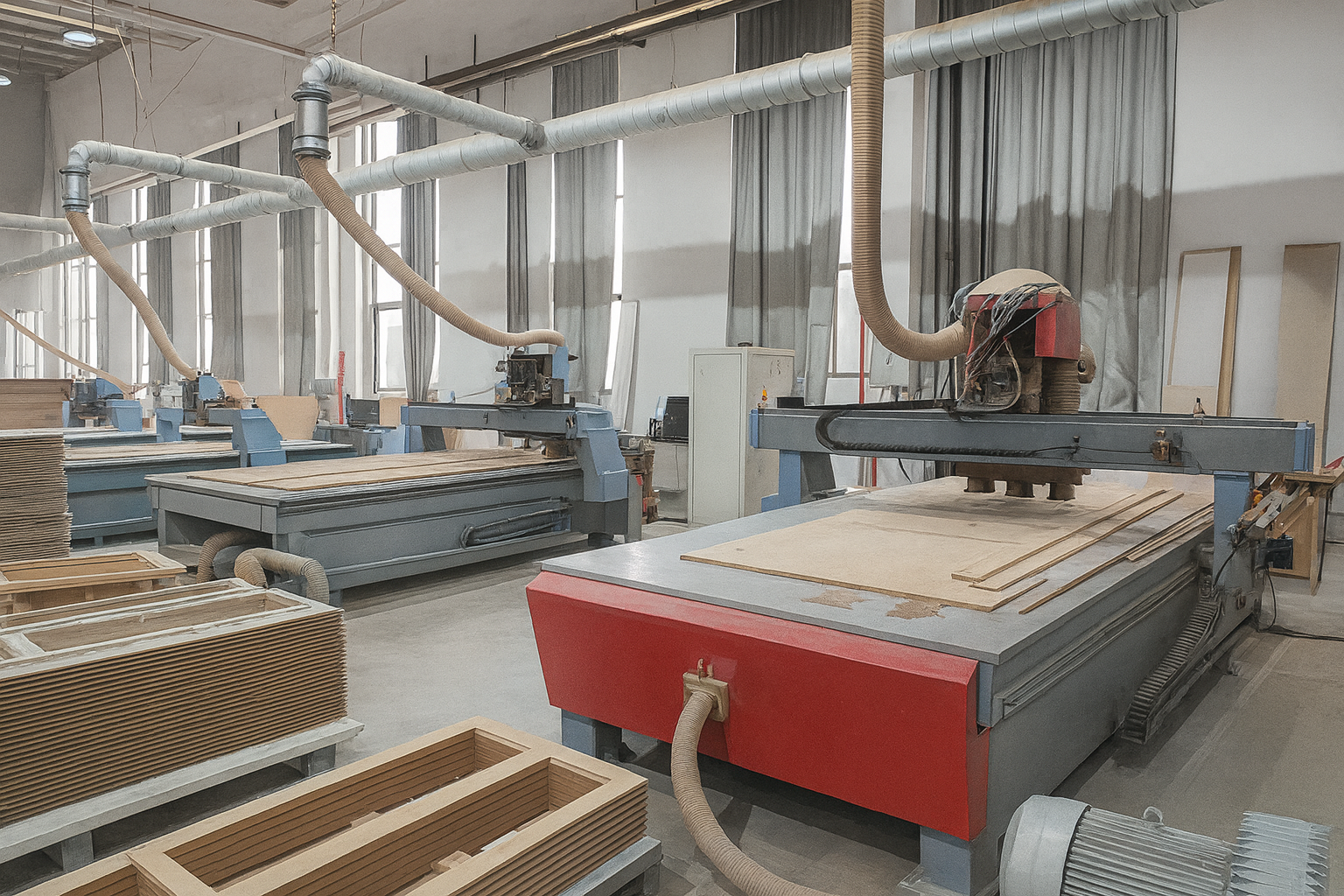
As builders face shortages, spec mismatches, and delivery uncertainty, manufacturers like UWG (United Woods Group) are reshaping residential material supply.
AUSTIN, TX, UNITED STATES, January 7, 2026 /EINPresswire.com/ -- In U.S. residential construction projects, an increasingly common scenario is playing out repeatedly: the structural framework has been completed, and plumbing and electrical systems are fully installed, yet the project comes to a halt because interior finishing materials fail to arrive on time. Even when materials are delivered, issues such as dimensional deviations and specification mismatches still occur frequently, resulting in additional rework and increased on-site coordination costs.In the current market environment, characterized by high interest rates and continuously compressed profit margins, these seemingly minor supply-side issues are becoming key variables affecting project schedules and profitability. Industry consensus suggests that U.S. residential construction is facing a long-overlooked bottleneck—the lack of systematic integration among manufacturing, logistics, and on-site construction.
Builders’ Real Challenges: Uncertainty Is Consuming Efficiency
“Today, uncertainty itself has become a cost in the construction industry,” several industry professionals point out.
On the one hand, volatility in raw material prices makes it difficult to set project budgets accurately. On the other hand, building material procurement is highly fragmented—doors from one supplier, cabinets from another, and flooring from yet another—leading to misaligned delivery schedules and inconsistent product standards. Ultimately, all of this pressure is transferred to the construction site.
This fragmented procurement model is particularly damaging in large-scale residential projects. A delay in any single link can quickly be magnified into a loss of control over the entire project timeline.
A New Generation of Solutions: From “Buying Materials” to “Managing the Supply Chain”
It is against this industry backdrop that emerging wood products manufacturer UWG (United Woods Group) has come to the fore—not merely by supplying individual products, but by participating in residential projects through a system-based approach to material supply.
Unlike traditional trading companies, UWG is manufacturing-driven and has established a multi-regional production network spanning China, Southeast Asia, and the United States, reducing dependence on any single country of origin. More importantly, the key shift lies in its operating logic: treating building material supply as a complete, continuous, and manageable chain, enabling a door-to-door supply model.
Solving the “Consistency Crisis”: Control at the Source, Not On-Site Fixes
For builders, the most costly materials are often not the most expensive ones, but those that require rework or repeated coordination.
Based on this reality, UWG moves consistency control upstream to the project planning stage. By getting involved early in project requirements, UWG aligns specification confirmation and production schedules, reducing the uncertainty caused by late-stage adjustments.
Through standardized processes and batch production, UWG achieves higher consistency across key categories such as doors, mouldings, cabinetry, and flooring, allowing materials to be installed immediately upon arrival at the jobsite rather than “corrected after delivery.”
The Next Stage of Material Procurement: System Collaboration, Not Isolated Transactions
“For large residential projects, the era of relying on spot purchasing and piecing together materials from multiple suppliers is coming to an end,” UWG management states. “What builders need more is a partner that can take responsibility for the supply chain, rather than a supplier that simply sells products.”
Under this trend, full-process supply models represented by UWG are providing a new reference path for the residential building materials industry. By emphasizing supply chain control, delivery certainty, and product consistency, material supply is shifting from a series of independent transactions to planned and replicable project collaboration.
As U.S. residential construction continues to place higher demands on efficiency and stability, this model is gradually demonstrating its practical value.
Chris
United Woods Group Inc.
info@unitedwoods.group
Visit us on social media:
LinkedIn
Facebook
YouTube
X
Legal Disclaimer:
EIN Presswire provides this news content "as is" without warranty of any kind. We do not accept any responsibility or liability for the accuracy, content, images, videos, licenses, completeness, legality, or reliability of the information contained in this article. If you have any complaints or copyright issues related to this article, kindly contact the author above.
